

JP Stones · Chronic Pain Coach
Information Pack
Nervous-system-informed chronic pain coaching for people who have tried the usual path and still feel stuck.
Who this is for
If you have lived with persistent pain for months or years, and passive treatments have not provided enough lasting relief, nervous-system coaching may offer another useful way to understand and work with what is happening.
Pain is real. For some people, persistent pain is influenced by a nervous system that remains in protect mode after tissues have healed or when symptoms are no longer fully explained by ongoing damage. Coaching explores those patterns without dismissing physical symptoms or replacing appropriate medical care.
About JP
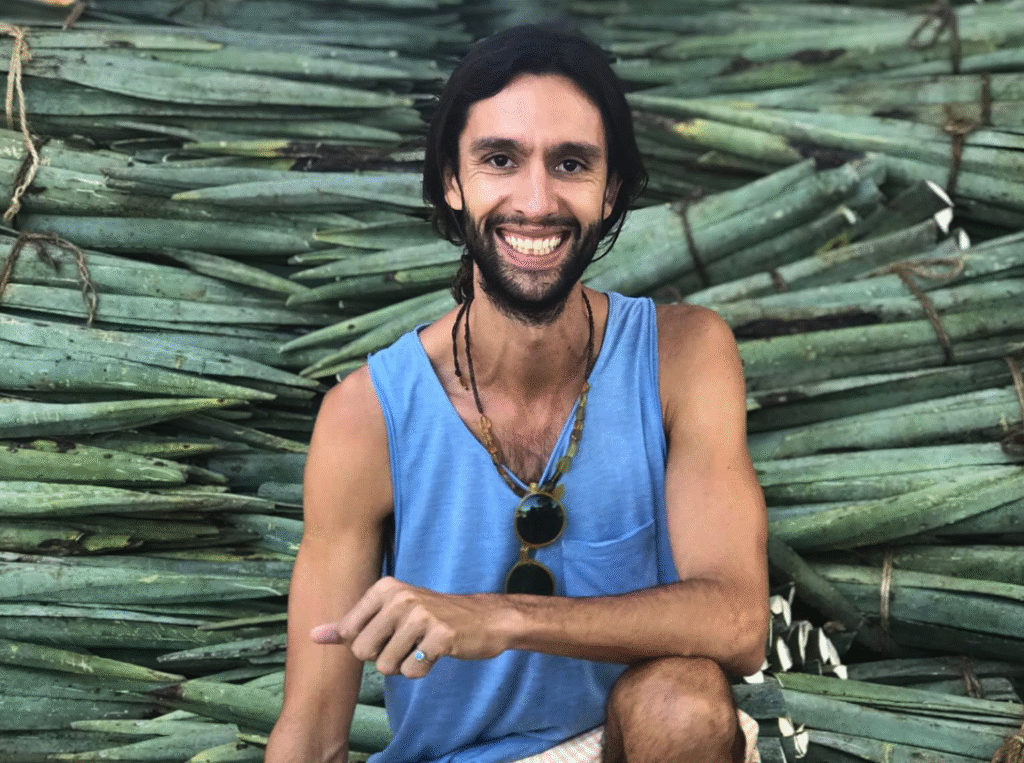
I’m JP Stones, a chronic pain coach working in person in Sayulita and San Pancho and online worldwide through Chronic Conditions Clinic.
I spent decades living with pain and more than thirty chronic symptoms and conditions. My progress began when I expanded beyond a purely bio-mechanical explanation and learned to work with pain through a broader biological, psychological and social lens.

How we may work
Every person’s pain and nervous system are different. Three common areas of work are:
- Understand. Explore current pain science and the factors that may be maintaining protection.
- Regulate. Find accessible ways to work with attention, breath, movement and the senses.
- Retrain. Gradually build confidence in sensation, movement and everyday life without forcing or pushing through.
We agree a realistic practice rhythm together. The pace and tools depend on your symptoms, circumstances and capacity, not a predetermined programme.
What a first session looks like
The first session is mainly about you: your history, what you have already tried, and how symptoms affect your life. We begin forming a plan that may be more movement-based, educational, attentional or emotional depending on what fits your system. If something is outside coaching scope, I will say so.
Approaches
My approach integrates Pain Reprocessing Therapy (PRT) and Emotional Awareness and Expression Therapy (EAET), two research-supported approaches used in chronic pain treatment, with nervous-system education, mindfulness, movement, breath and sensory regulation.
I also draw from parts-informed work and a wider movement toolkit, including Feldenkrais-inspired movement, Clinical Somatics, Egoscue and Tai Chi. We choose tools according to how your system responds rather than treating one method as the answer for everyone.
I am a coach and practitioner, not a medical doctor. This work can complement medical care; it does not replace it.
Experiences people bring
People often come with persistent back, hip or neck pain, migraines, TMJ, fibromyalgia, pain-related anxiety, overthinking, physical guarding, disrupted sleep or related nervous-system symptoms. Some also live with diagnosed health conditions for which coaching is supportive rather than medical treatment.
Practical details
- Free consultation: 30 minutes, with no obligation.
- Sessions: regulation sessions and longer coaching sessions are available.
- Format: Sayulita, San Pancho or online.
- Payment: cash, card, PayPal or bank transfer.
Phone: +52 322 779 4912
What clients have shared
Responses to coaching vary and no particular outcome can be guaranteed. These comments describe individual experiences:
“Fixed the issues I was having with my back, within just a few sessions… To be pain free feels nothing short of miraculous.”
Antony B, Manchester
“JP gave me a new awareness of how I was using my body… Within a day my pain went away.”
Emy D, Sydney
“For years, I dealt with debilitating migraines… JP’s holistic approach was the only thing that worked for me.”
Dylan M, Bucerías
“I was able to get rid of chronic pain that was affecting my ability to live my life.”
Marie L, Sayulita
Evidence, briefly
PRT: In a randomized trial of 151 adults with primary chronic back pain, 66% of people assigned to four weeks of Pain Reprocessing Therapy were pain-free or nearly pain-free after treatment, compared with 20% receiving placebo and 10% receiving usual care. Benefits remained large at one year. Source: Ashar et al., JAMA Psychiatry (2022).
EAET: In a randomized trial of 126 older veterans with chronic musculoskeletal pain, 63% of EAET participants had at least a 30% reduction in pain after treatment, and 35% had at least a 50% reduction, compared with 17% and 7% for CBT. Source: Yarns et al., JAMA Network Open (2024).
A separate summary of ten studies on JP’s evidence library found active approaches outperformed passive care in 86% of comparisons. These figures describe research populations and protocols; they do not guarantee an individual coaching result. Read the PRT trial, the EAET trial, or the evidence library.
FAQ
Why might nervous-system coaching help?
Persistent pain can involve more than tissue state alone. Attention, fear, expectation, stress, movement and prior experiences can all influence how the nervous system interprets sensation. Coaching provides education and practical ways to explore those factors.
Is this an alternative to surgery or medical treatment?
Not always, and never as a substitute for a clinician’s assessment of red flags or structural emergencies. For many people with persistent pain, though, the missing piece is not another tissue-focused procedure. Active, nervous-system-based approaches have a stronger research record than passive care in a number of comparisons. Surgery and medical treatment remain appropriate when a qualified clinician recommends them.
Are you a medical doctor?
No. I’m a chronic pain coach, not a medical doctor. I do not diagnose or provide medical treatment. If you need care beyond coaching, I will say so and encourage an appropriate referral.
Online or in person?
Both. Sayulita and San Pancho, or online from anywhere.
Is there a free consultation?
Yes. The initial 30-minute consultation is free and carries no obligation to continue.
Can I keep working with my other providers?
Yes. This work can complement medical care, physiotherapy, psychotherapy and other appropriate support.
Next step
Book a free consultation. We will talk about your experience and whether this approach appears to fit.