

What is non-visual nervous-system regulation?
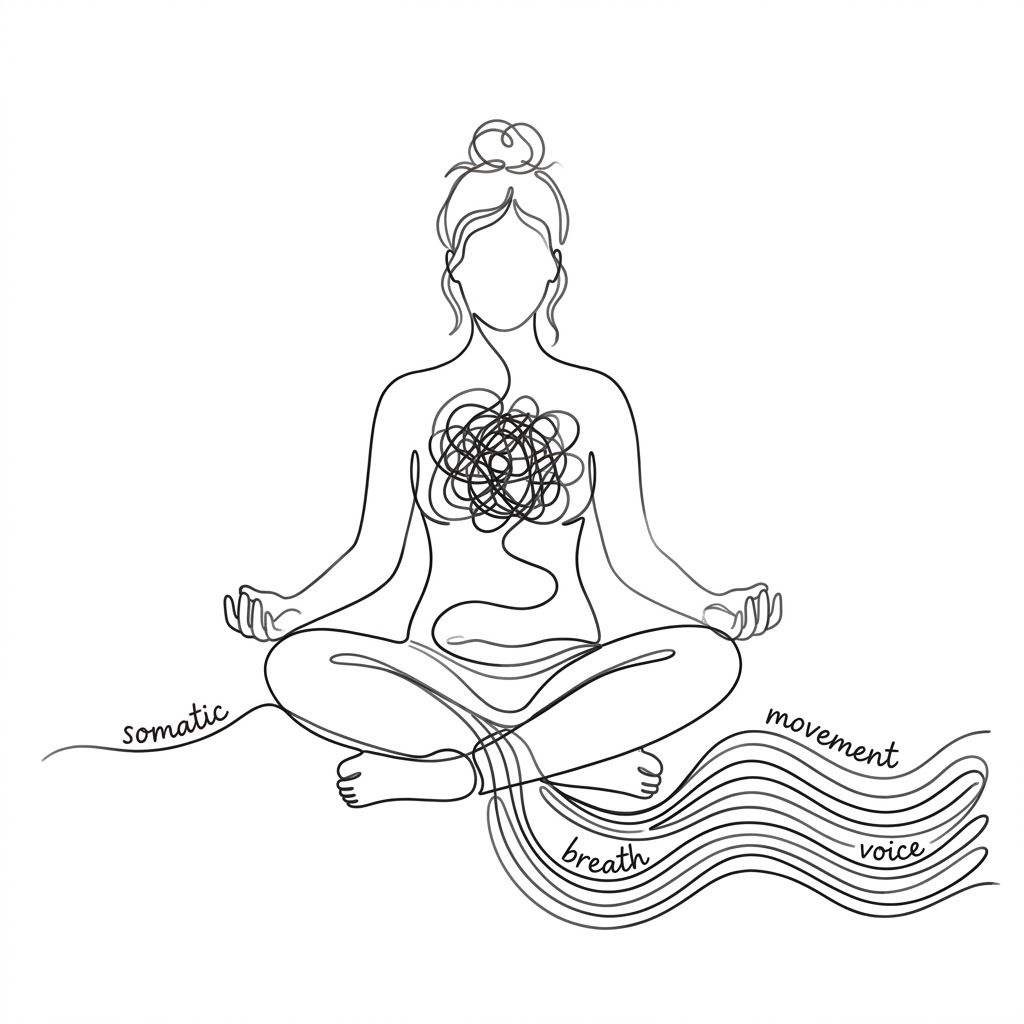
Non-visual nervous-system regulation means helping a stressed or pain-sensitized nervous system settle without relying on mental imagery — not light therapy, not circadian “non-visual” pathways, and not sleep-science jargon. Instead of “picture a safe place,” attention goes to what you can actually feel or sense right now: breath, contact with the chair or floor, sound in the room, small movement, temperature, pressure, or the simple fact of being supported.
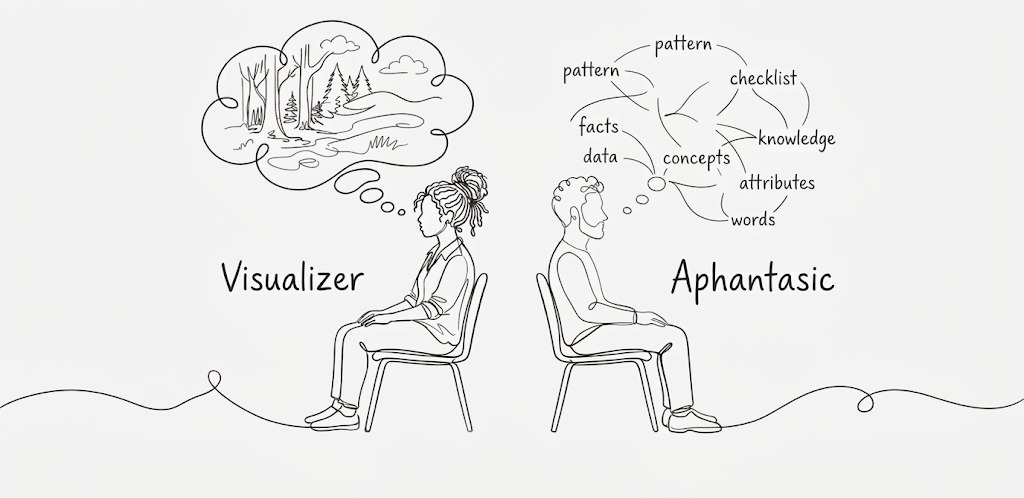
For people with aphantasia, weak visualizers, or anyone who feels worse when a guided practice asks them to invent a scene, that distinction matters. Safety and calm are built through the body and the environment you already inhabit — felt sense, breath, movement, and sound — rather than an inner movie screen. At Chronic Conditions Clinic, JP (who has aphantasia) leads this work through External Canvas: using real external anchors and embodied cues so regulation comes first, before any deeper processing. It is coaching and practice, not therapy or medical treatment, and it can sit alongside care you already have.
If you want to try the approach without committing, start with the free practices and guides on this page, or book a free 30-minute consult (limited spots) to see whether non-visual regulation fits how your system actually works. You can also read Meditating with aphantasia.
We don’t ask you to visualize safety in your head. We help you build it in your body, the room, and the next small movement — step by step.
Why trust this?
- PRT and EAET are research-supported approaches for chronic pain.
- JP has aphantasia and found his own way out of chronic pain without visualising.
- Built on the same nervous-system work we do with all our clients.
| Visualization-based approach | Non-visual regulation | |
|---|---|---|
| Where safety comes from | An imagined scene (“picture a safe place”) | Real anchors you can perceive: the room, a sound, a texture, the floor under you |
| Eyes | Usually closed | Usually open, oriented to the environment |
| Somatic tracking | “See the sensation as a color or shape and watch it change” | Briefly notice the sensation, describe it in plain words (warm, tight, buzzing, steady), and return to a real anchor |
| When stillness makes symptoms louder | Stay with it | Use movement, breath, or voice instead |
| What progress looks like | A clearer or calmer inner image | A body that settles more easily and responds to sensation with less alarm |
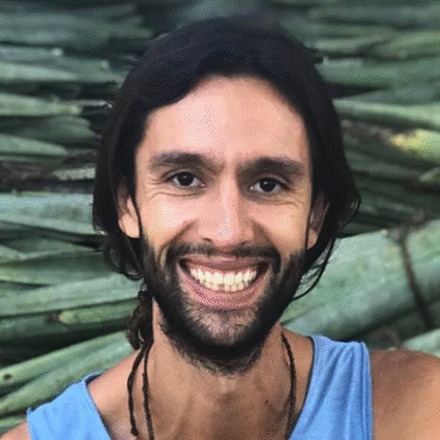
I can’t picture a thing. I still spent ten years as a fine art photographer.
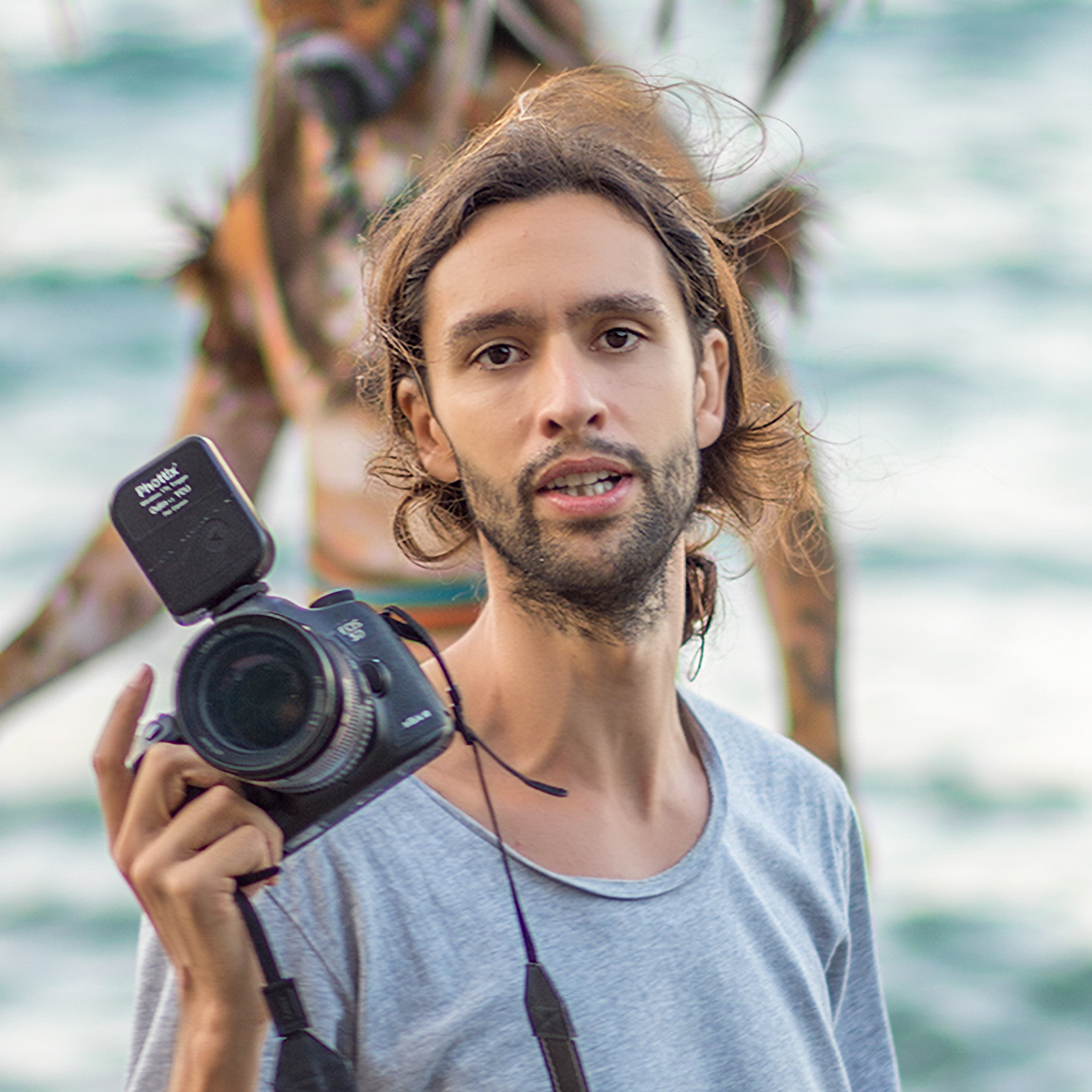
I have aphantasia. For most of my life I didn’t know it — I just knew I worked differently. My photography was planned down to the detail: scouting, timing, light, all worked out before I picked up the camera, because I couldn’t picture the shot in my head.
When chronic pain took over, I’d seen enough to know nervous-system work was my way out. But I wasn’t getting anywhere. Every tool started with “picture this” or “imagine that.” So I did what I’d always done and kept troubleshooting, away from visualisation and toward movement, breath, sound and touch, until my body finally started to listen.
Looking back, aphantasia shaped my whole life without me realising. It’s why I got good at photography. When chronic pain made that work hard to keep up, the same troubleshooting brain helped me find my way out. That way of working is what this page is about. If you’re stuck where I was, I’d like to help you skip some of the years I spent troubleshooting alone.
Not ready? Try the free non-visual practices first. Or message us on WhatsApp.
Meet JP StonesChronic Conditions Clinic provides mind-body coaching for chronic pain, fatigue, anxiety, and nervous-system symptoms. This page describes our coaching approach and is not medical advice, diagnosis, or treatment.